Starting a small business LLC is often the quickest route to protect personal assets while enjoying tax flexibility, and many entrepreneurs ask how to set it up correctly in 2026. The answer lies in following a clear, step‑by‑step process that includes choosing a unique name, filing Articles of Organization with the state, and designating a reliable registered agent—steps that can be completed online in under a day. For those also seeking capital, pairing your LLC formation with a fast‑funding option like the TD Business Loan 2026 can accelerate growth without sacrificing legal protection.
Why Choose an LLC for Your Small Business?

A limited liability company (LLC) blends the simplicity of a sole proprietorship with the liability shield of a corporation. According to the U.S. Small Business Administration’s 2026 Small Business Profile, LLCs accounted for 45% of all new business registrations last year, up from 38% in 2024, reflecting growing awareness of the structure’s benefits.
- Personal Asset Protection: Members are generally not personally responsible for business debts or lawsuits.
- Tax Flexibility: By default, an LLC is a pass‑through entity, allowing profits to be taxed once on the owners’ personal returns; however, owners can elect corporate taxation if advantageous.
- Management Freedom: Unlike corporations, LLCs do not require a board of directors or formal annual meetings.
- Credibility with Lenders: A properly registered LLC often meets the eligibility criteria for small‑business financing programs such as SBA Express or Fundbox.
Step‑by‑Step Guide to Forming a Small Business LLC in 2026
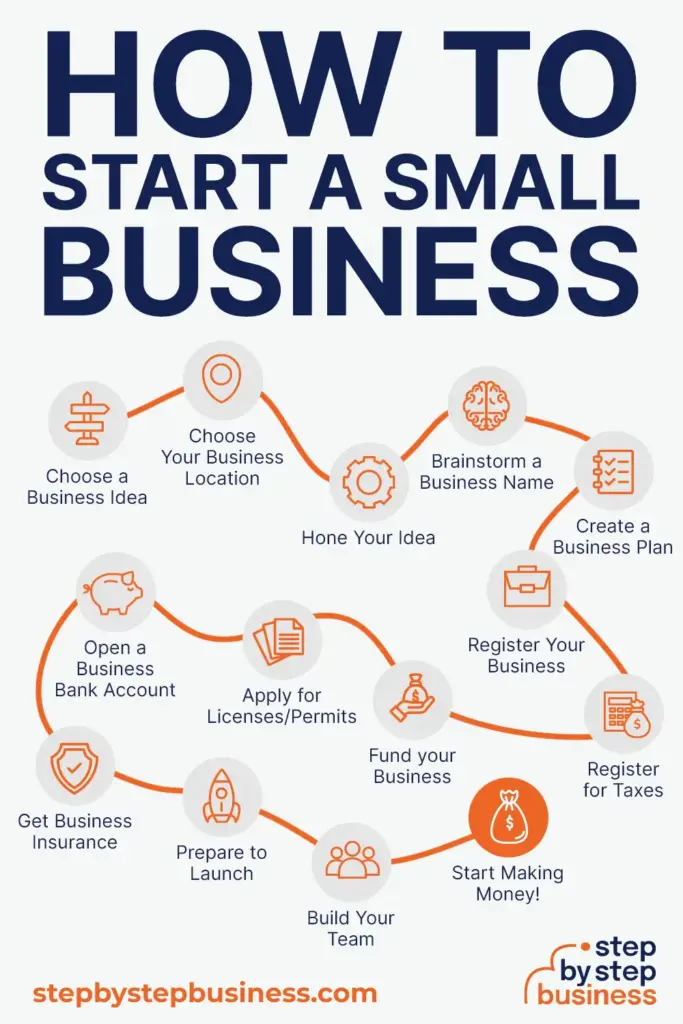
1. Choose a Distinct Business Name
Before filing, verify that your desired name is available in the state where you’ll operate. Most states provide an online name‑search tool; for example, the California Secretary of State’s portal reports 2.3 million name checks in 2026 alone. Your name must include “LLC,” “L.L.C.,” or “Limited Liability Company” and cannot suggest an illegal purpose.
2. Appoint a Registered Agent
A registered agent receives legal documents on behalf of the LLC. You can act as your own agent if you have a physical address in the state, but many entrepreneurs prefer a professional service to ensure compliance and privacy. In a 2026 survey by the National Association of Registered Agents, 68% of small‑business owners reported using a third‑party agent to avoid missed notices.
3. File the Articles of Organization
Submit the Articles of Organization (sometimes called a Certificate of Formation) to the state filing office. Most states now accept electronic filings with a processing fee ranging from $50 to $250. The filing typically includes:
- LLC name and address
- Registered agent’s name and address
- Management structure (member‑managed or manager‑managed)
- Duration, if not perpetual
Online portals often provide a tracking number; the average approval time in 2026 is 24‑48 hours for most states.
4. Create an Operating Agreement
While not always required by law, an operating agreement outlines ownership percentages, profit distribution, voting rights, and procedures for adding or removing members. The Internal Revenue Service (IRS) recommends having one to clearly demonstrate the LLC’s separate entity status, which helps protect the liability shield during audits.
5. Obtain an EIN (Employer Identification Number)
Apply for an EIN through the IRS website—free and instant. An EIN is essential for opening a business bank account, hiring employees, and filing tax returns. In 2026, the IRS processed over 12 million new EIN applications, a 9% increase from the previous year, reflecting the surge in new LLC formations.
6. Register for State Taxes and Licenses
Depending on your industry and location, you may need state sales tax permits, professional licenses, or a workers’ compensation policy. The Small Business Tax Center reported that 32% of new LLCs in 2026 missed a required state tax registration, leading to penalties.
7. Open a Business Bank Account
Separating personal and business finances is critical for maintaining the LLC’s liability protection. Choose a bank that offers low fees, online banking, and, if you need financing, a streamlined loan application process. Many banks now integrate directly with accounting software, simplifying bookkeeping for small businesses.
Financing Your New LLC: Linking Legal Structure to Capital Access
Forming an LLC is only the first milestone; securing working capital often determines whether the venture can scale. Lenders view LLCs favorably when the formation documents are current and the operating agreement clarifies ownership. Below are three financing pathways that align well with a freshly formed LLC.
Traditional Small‑Business Loans
The SBA Express 2026 program offers loans up to $500,000 with approval in as little as 48 hours. To qualify, your LLC must have been operating for at least 12 months and demonstrate a cash‑flow ratio of 1.25 or higher, according to SBA data released in March 2026.
Alternative Online Lenders
Platforms such as Fundbox and Kabbage provide lines of credit ranging from $5,000 to $150,000, with funding typically within one business day. These lenders evaluate your business’s bank transaction history rather than credit scores alone, making them ideal for newer LLCs that lack extensive credit history.
Community‑Based Credit Unions
Local credit unions often offer lower interest rates for small businesses that are members of the community. For instance, the Midwest Credit Union reported a 1.8% average APR on 2026 business loans, compared to the national average of 4.3% for similar loan sizes.
Common Mistakes to Avoid When Forming an LLC
- Skipping the Operating Agreement: Without it, courts may treat the LLC as a sole proprietorship, exposing personal assets.
- Using a Personal Address as the Registered Agent: This can lead to missed legal notices and jeopardize your liability shield.
- Neglecting State Compliance: Annual reports and franchise taxes are mandatory in most states; failure to file can result in administrative dissolution.
- Mixing Personal and Business Finances: Co‑mixing funds can cause “piercing the corporate veil,” nullifying liability protection.
Real‑World Example: From LLC Formation to Rapid Growth
Emily Rivera launched “Eco‑Fresh Snacks,” a health‑food startup, as an LLC in Austin, Texas, in February 2026. By following the step‑by‑step guide, she filed her Articles of Organization within 24 hours and secured a $30,000 line of credit from Fundbox within three days. Because her operating agreement detailed clear profit‑sharing rules, she easily added a second member and qualified for the SBA Express loan, which provided an additional $75,000 for equipment. Within eight months, Eco‑Fresh’s revenue grew 250%, and the LLC structure helped protect Emily’s personal assets while she expanded to three states.
Frequently Asked Questions (FAQ)
Can a single‑member LLC still protect my personal assets?
Yes. The courts treat a single‑member LLC the same as a multi‑member LLC, provided you maintain proper records, keep a separate bank account, and follow state compliance requirements.
Do I need a professional accountant for my LLC?
While not mandatory, an accountant can help you navigate tax elections, ensure proper bookkeeping, and maximize deductions. You can find a qualified professional with a simple search for “accountant near me for small business.” For example, the guide Accountant Near Me for Small Business – Find Local CPA, Save Money & Grow in 2026 offers tips on selecting a CPA that understands LLC taxation.
How long does it take to dissolve an LLC if the business fails?
In most states, dissolution can be completed within 30‑60 days after filing the appropriate paperwork and settling any outstanding debts. The state will also require a final tax clearance certificate.
Is an LLC better than a corporation for a tech startup?
Many tech founders prefer an LLC initially for flexibility, but as they raise venture capital, they often convert to a C‑corporation to accommodate stock options and preferred shares. The decision hinges on fundraising goals and growth strategy.
Bottom Line: The LLC Is a Powerful Launchpad for Small Business Success
In 2026, forming a small business LLC remains one of the most efficient ways to combine legal protection, tax benefits, and operational flexibility. By following the outlined steps—choosing a name, appointing a registered agent, filing the Articles of Organization, drafting an operating agreement, securing an EIN, and staying compliant—you lay a solid foundation. Pair this foundation with the right financing, whether through SBA Express, an online lender, or a local credit union, and your LLC can transition from a legal entity to a thriving enterprise.
Ready to take the next step? Explore financing options like the Fundbox Loan 2026: Fast, Flexible Working Capital & Step‑by‑Step Guide and secure the capital your newly formed LLC needs to grow.
